
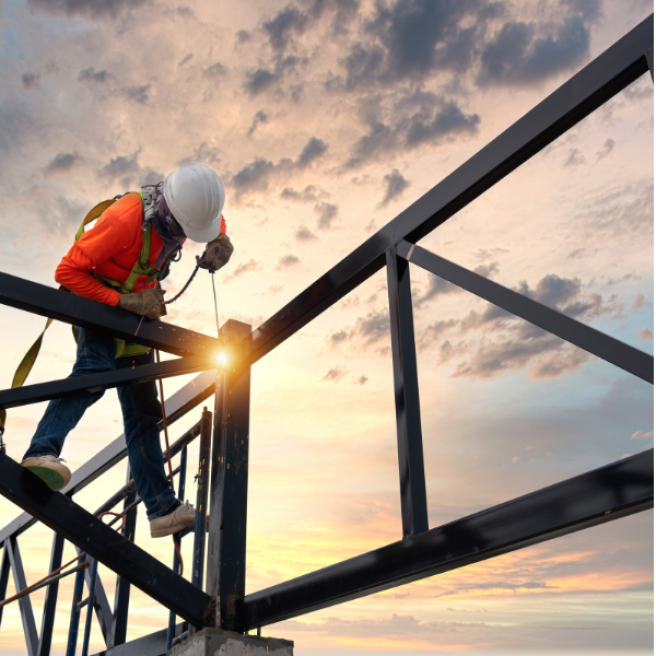
Contractors face risks every day. Employees work with tools and equipment, vehicles travel between job sites, subcontractors perform specialized work, and projects can involve customers, property owners, and the general public.
One accident, damaged piece of equipment, vehicle collision, employee injury, or liability claim can quickly become expensive. That is why having the right contractors insurance is an important part of protecting the business you have worked hard to build.
At Mavrik Financial and Insurance Services, we help contractors understand their risks and explore insurance solutions designed around their actual operations. Here are answers to some of the most common questions contractors ask about business insurance.
Protect Every Job
The right insurance program can help protect your employees, equipment, vehicles, projects, and financial future.
1. What Is Contractors Insurance?
Contractors insurance is not usually one individual policy. It is typically a combination of commercial insurance coverages selected to address the risks associated with a contractor's operations.
A contractor's insurance program may include general liability, workers' compensation, commercial auto, contractors equipment coverage, builders risk, commercial property, umbrella liability, cyber insurance, and other specialized coverages.
2. What Types of Insurance Should Contractors Consider?
| Coverage | What It May Help Protect |
|---|---|
| General Liability | Covered bodily injury, property damage, and certain liability claims arising from business operations. |
| Workers' Compensation | Covered work-related employee injuries and illnesses. |
| Commercial Auto | Business-owned vehicles and associated auto liability exposures. |
| Contractors Equipment | Tools and equipment that may move between job sites. |
| Builders Risk | Certain buildings, materials, and property during construction projects. |
| Commercial Umbrella | Additional liability limits above certain underlying policies. |
| Cyber Insurance | Certain data breaches, cyberattacks, fraudulent activity, and cyber-related losses. |
3. Why Do Contractors Need General Liability Insurance?
Contractors general liability insurance can help protect against certain claims involving bodily injury and property damage. For example, your work could accidentally damage a customer's property, or someone could be injured around a job site.
General contractors, project owners, and other businesses may also require contractors to carry specific liability limits before allowing them onto a project.
Tools and Equipment
Your business depends on tools and equipment being available when and where your crews need them.
Commercial Vehicles
Trucks, vans, trailers, and other business vehicles create important property and liability exposures.
Employees
Construction work can involve significant injury risks, making employee safety a critical priority.
4. Are My Tools Covered at a Job Site?
Do not automatically assume that a standard commercial property policy protects all of your tools and equipment wherever they are located. Contractors frequently move equipment between their shop, vehicles, storage locations, and job sites.
Contractors equipment coverage or inland marine insurance may be used to protect certain tools and mobile equipment while they are away from your primary business location, subject to policy terms and limits.
5. Does Contractors Insurance Cover Stolen Tools?
Coverage for stolen tools depends on the policy, where the tools were located, how the theft occurred, applicable limits, deductibles, and other policy conditions.
Contractors should maintain an updated inventory of tools and equipment, including serial numbers, purchase information, and photographs when practical. Good documentation can be valuable if a loss occurs.
6. Do I Need Commercial Auto Insurance?
If your business owns trucks, vans, or other vehicles, commercial auto insurance is generally an important part of your contractors insurance program.
Contractors should also discuss situations involving employees driving personal vehicles for company business, rented vehicles, and other vehicles the company does not own. These exposures may require additional coverage.
7. What Is Builders Risk Insurance?
Builders risk insurance is designed to protect certain property during construction. Depending on the policy, coverage may include the structure under construction, building materials, and other covered property associated with the project.
Before beginning a major project, determine who is responsible for purchasing builders risk coverage and review the contract carefully. Never assume another party has arranged the coverage.
8. Are Subcontractors Covered Under My Insurance?
This is an important question because subcontractors can create significant liability exposures. Your policy should not automatically be assumed to cover every claim involving a subcontractor.
Contractors should have written procedures for verifying subcontractor insurance. Obtain current certificates of insurance and review contractual requirements before work begins.
Depending on the project, contracts may also contain additional insured, waiver of subrogation, indemnification, and other insurance requirements that should be reviewed carefully.
9. Why Is Workers' Compensation Important?
Construction employees may work at heights, operate power tools, lift heavy materials, drive vehicles, and work around machinery or active job sites. These activities can create serious injury exposures.
Workers' compensation insurance provides benefits for covered work-related employee injuries and illnesses according to applicable law and policy terms.
Safety programs, employee training, job-site inspections, and consistent procedures can also help contractors reduce workplace injuries.
10. What Is Completed Operations Coverage?
A contractor's liability exposure may continue after the job is finished. A problem with completed work could potentially cause bodily injury or property damage weeks, months, or even years later.
Completed operations coverage within a general liability policy can be an important consideration for contractors because the risk does not necessarily end when the crew leaves the job site.
11. How Much Liability Insurance Does a Contractor Need?
There is no single liability limit that is appropriate for every contractor. Your needs may depend on the type of work you perform, project size, annual revenue, payroll, subcontractor costs, contractual requirements, and potential severity of a claim.
Contractors working on larger commercial projects may also be required to maintain higher liability limits. A commercial umbrella policy may provide additional limits above certain underlying policies.
12. How Can Contractors Reduce Insurance Claims?
- Maintain a written safety program.
- Train employees regularly.
- Inspect job sites for hazards.
- Document safety meetings.
- Maintain tools and equipment.
- Review employee driving records.
- Verify subcontractor insurance.
- Use clear written contracts.
- Review indemnification requirements.
- Secure tools and equipment after hours.
- Document incidents and near misses.
- Review insurance coverage annually.
13. Why Should Contractors Review Their Contracts?
Insurance and contracts often work together. A contract can require your company to accept responsibilities that may not automatically match your insurance coverage.
Pay particular attention to insurance requirements, indemnification provisions, additional insured requirements, waivers of subrogation, and required liability limits. When appropriate, have contracts reviewed by qualified legal and insurance professionals before signing.
14. What Factors Affect Contractors Insurance Costs?
Insurance premiums can be influenced by the type of contracting work performed, payroll, revenue, subcontractor costs, vehicles, equipment values, project sizes, geographic area, coverage limits, deductibles, and claims history.
Risk management can matter too. Strong safety practices, driver controls, employee training, equipment security, and good claims management can help demonstrate that your company takes risk seriously.
15. When Should I Review My Contractors Insurance?
Your insurance should change as your contracting business changes. Hiring employees, purchasing equipment, adding vehicles, entering a new trade, taking larger projects, expanding into new areas, or using more subcontractors can all affect your exposures.
Review your contractors insurance program at least annually and whenever there is a significant change in your operations.
Protect the Business You Have Worked Hard to Build
Contracting is about managing details. The same principle applies to insurance. One overlooked vehicle, subcontractor exposure, tool limit, contractual requirement, or coverage gap can become important when a claim occurs.
At Mavrik Financial and Insurance Services, we help contractors understand their risks, review insurance options, and build coverage around the way they actually operate.
Whether you are a general contractor, electrician, plumber, HVAC contractor, landscaper, roofer, concrete contractor, remodeling company, or another construction professional, we can help you evaluate your insurance needs.
Call Mavrik Financial and Insurance Services today at 888-504-8484 to schedule a contractors insurance review and make sure your employees, equipment, vehicles, projects, and business have the protection they need.
```